
Supreme 777 Jackpots in Cherry Gold Casino: blackjack where both strategy and 7️⃣ matter
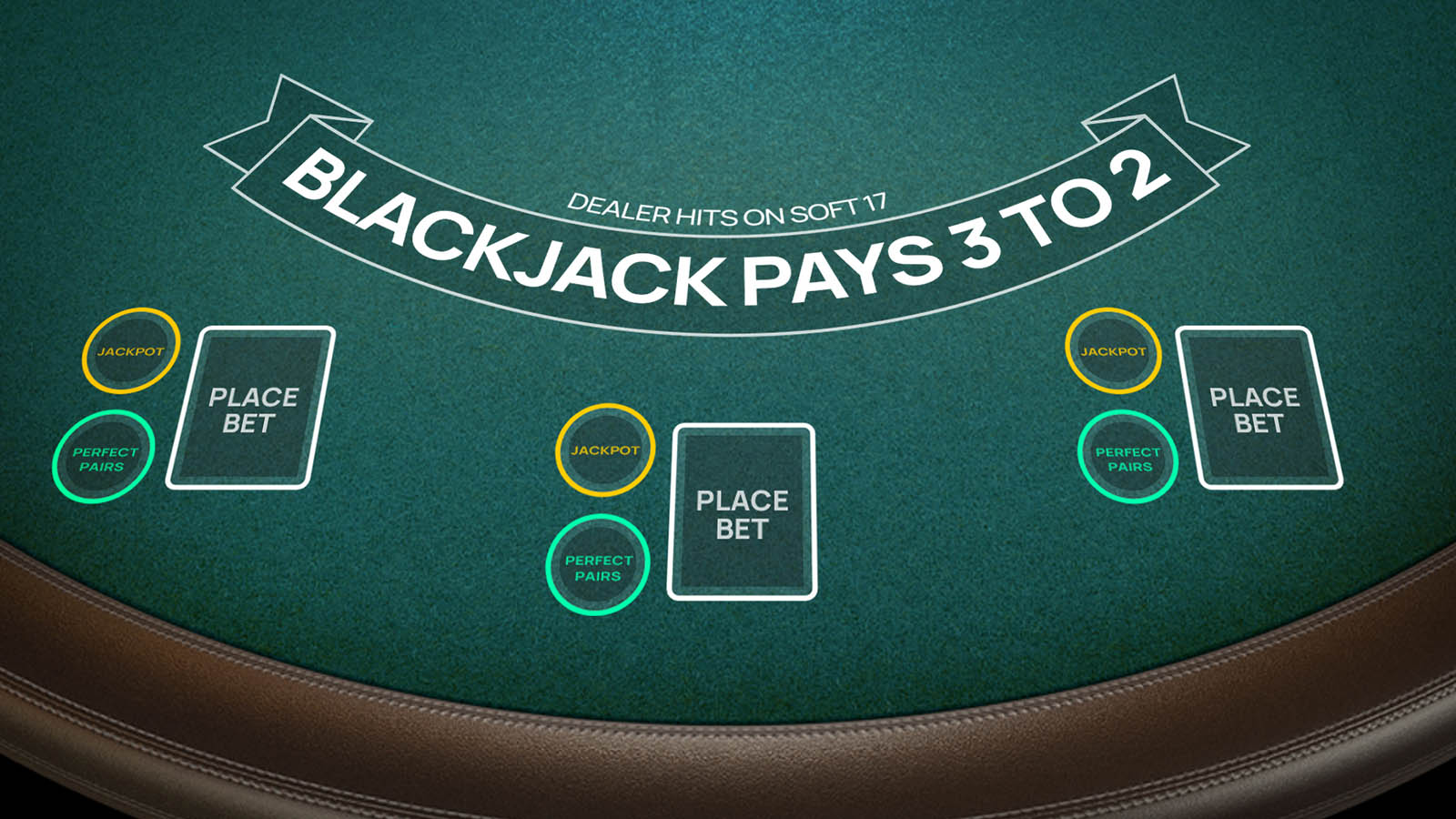
Supreme 777 Jackpots is a blackjack format that combines classic player decisions with a jackpot mechanic and optional side bets. It is interesting because you play against the dealer as usual, but if you want, you can add separate conditions for “lucky sevens” and pairs of cards. If you need a quick orientation on how a round works and where the extra features come in, it helps to keep a short reference in mind — How to Play Supreme 777 Jackpots — and break the mechanics down step by step. This approach helps you evaluate the game more calmly and avoid mixing base rules with jackpot side bets.
🎴
Progressive jackpot side bets in blackjack were first popularized in the 1990s in Atlantic City. Today, they account for a significant share of table game revenue — not because they pay out often, but because the rare, large events create memorable sessions. Understanding this is the key to enjoying them responsibly.
What is Supreme 777 Jackpots
Supreme 777 Jackpots is a multi-hand blackjack where you can play up to three hands at the same time and optionally add side bets separately. According to the developer description, the game uses six decks, and the key “add-ons” are the Supreme 777 Jackpot side bet and the Perfect Pairs side bet. The base goal remains standard: make 21 or get as close as possible without going over 21. The important difference is that part of the interest shifts toward rare seven-based combinations and the first two cards if you have enabled the side bets.
Why this is not just regular blackjack
⚖️
Think of Supreme 777 Jackpots as two separate games running simultaneously: your core blackjack decisions (which follow basic strategy math) and your side bet decisions (which are pure variance plays). The most common mistake is letting excitement about sevens influence your base hand decisions — they are entirely independent systems.
The main difference is that the game has a “second axis” of risk: you can play only the base hand, or you can add a separate bet for the jackpot or for pairs. Formally, this does not change your core strategy against the dealer, but it changes the overall results profile across a session. In standard blackjack, you mostly manage probabilities through hit/stand/double/split decisions, while here you get an additional layer of events that depends on specific cards. That is why it is important to separate two things in your mind: the base game and the separate side bets that follow their own logic. This breakdown reduces rush and helps you avoid emotional decisions in the moment.
Base rules in a Las Vegas Strip style
Based on release summaries, Supreme 777 Jackpots follows Las Vegas Strip rules with specific limitations that affect tactics. It is mentioned that the deck is shuffled after every round, and doubling is allowed only on 9, 10, and 11, while double after split is permitted. This noticeably affects the style of play because you use doubling less “by feel” and follow stricter situations more often. It is also important to remember that the multi-hand format does not make the dealer “different”: each hand is counted separately, and you make decisions for each hand independently. This ruleset makes decisions more disciplined while adding interest through the jackpot mechanic.
Where the jackpot appears in this game
Jackpots here are not tied to reels and paylines, but to a separate bet on “sevens” in a chosen hand. In essence, you play blackjack as usual, but you can additionally bet that you will receive 7s in the first cards and then in the third card if the hand continues. This is important: the jackpot bet is separate, and it does not have to be on every time, so it is better to treat it as an “optional mode.” In parallel, there is Perfect Pairs, which evaluates only the first two cards of a hand and pays separately for matches. As a result, the player gets two different types of extra events: quick pair payouts and rarer “seven” scenarios.
Base game rules in simple words
To play Supreme 777 Jackpots confidently, it helps to lock in the base rules without any jackpot add-ons. You place the main bet, receive two cards, the dealer also receives cards, and then you make decisions to get closer to 21. Cards 2–10 count at face value, face cards count as 10, and an ace is 1 or 11 depending on what benefits the hand. The base part of the game is familiar to most players in the USA, so the complexity is not in “21 rules,” but in how you manage side bets and overall session risk.
How the deal works and what you do
In each round, you first choose your bet and number of hands, then you receive starting cards. Next you decide whether to take a card (hit) or stop (stand), and sometimes to double or split a pair, if rules allow. The key point is that decisions are made separately for each hand, so multi-hand mode requires a bit more attention and self-control. Also, because doubling is restricted to 9–11, you “chase” with doubling less and play more evenly. If you want to learn the mechanics quickly, it helps to stick to a clear action order and avoid changing the bet every couple of minutes.
Which restrictions affect the style of play
The “double only on 9, 10, and 11” restriction makes decisions more predictable and reduces borderline situations. Shuffling after every round reduces the practical value of card counting because the deck is constantly refreshed. The ability to double after split adds flexibility, but it works only if you already understand why you are splitting and what risk you are taking. Also remember that multi-hand mode increases pace: more decisions per minute means a higher chance of making mistakes on emotion. That is why discipline in bet and time management is often more important here than “perfect timing.”
Comparison with classic blackjack
The comparison helps you see what changes and why the game feels different even though the goal “make 21” stays the same. In classic blackjack, the main value is a low house edge with proper strategy, while here you add a separate entertainment layer with jackpots. Base decisions still matter most because they affect the outcome of the main bet in every round. The difference is that side bets can pay independently, regardless of whether you won the base hand. That is why it is easier to view the rules as “core + options” to avoid confusion.
How Supreme 777 jackpots work
The jackpot logic here is tied to a separate bet and to how many sevens you receive in the chosen hand. According to the release description, the game shows three progressive jackpot levels, and participation is activated specifically through the jackpot bet. It is important to understand that the progressive pool changes over time, so it makes more sense to discuss trigger conditions rather than “exact amounts.” It is also useful to remember that the jackpot bet is extra risk: it may pay nothing often, but sometimes pays noticeably by its own rules. This profile makes a session more “uneven,” so bankroll control becomes part of strategy.
Which sevens pay
Payout scenarios are structured in tiers: from a minimal event “there is one 7 in the hand” to the rare set “three sevens” with additional suit-based conditions. Based on the mechanic summary, one seven pays a base payout, two sevens increase the multiplier, and three sevens can lead to a large reward. The game also distinguishes whether the three sevens match by suit and color, which affects the jackpot level. This approach is logical: the game rewards rarity and adds a “top layer” of excitement without complicating base blackjack.
How not to confuse jackpot levels
🧩
To quickly remember the tier system: think of it as a ladder — any 7 gets you on the ladder, matching colors moves you up, matching suits moves you higher, and three spades reach the top. Visualizing it as a vertical progression (not a list) helps your brain sort outcomes instantly during play without mental effort.
The most common confusion is that “three sevens” sounds the same, but jackpot conditions depend on matching by color and suit. If three sevens do not match the required attributes, it may be just a high multiplier rather than a jackpot level. Next come levels where consistency matters: matching by color, then matching by suit, and spades are highlighted as the top outcome. This grading is convenient because it stays visually clear even for a beginner: you see suits and quickly understand which level the event belongs to. Practically, it helps to decide in advance how much you want this extra risk and not enable the bet automatically every round.
What changes in feel and session risk
The jackpot bet increases variance because part of expectations shifts toward rare combinations. That can be fun, but it is important to remember that “chasing sevens” does not improve blackjack’s base math — it just adds a separate payout scenario. Multi-hand mode also speeds the game up: you go through more deals faster, which makes it easier to overspend time and budget. That is why it helps to set limits in advance, especially if you play on a phone and the pace feels higher. For players in the USA, this is especially relevant: a short, controlled session usually feels better than a long, emotional run.
Perfect Pairs and side bets
Perfect Pairs is a separate bet that evaluates only the first two cards of a hand and is not connected to whether you win the base hand or not. According to the release mechanic description, the bet pays different multipliers if the first two cards match by color, by rank, or perfectly. This format often appeals to players who like quick “small events” inside a deal because the outcome is clear immediately after the starting cards are dealt. At the same time, it is still separate risk: the bet may miss often, and wins are distributed differently than in the base game. The calmest approach is to enable it consciously and test it over a short stretch, rather than making it mandatory every round.
Matching logic and why it is simple
Matches are evaluated visually: you either have a pair or you do not, and you additionally consider color and exact matching. This is beginner-friendly because it does not require memorizing complex rules, and the result is immediate. According to the release summary, the maximum multiplier can reach x25 when the match is the strongest, which makes the bet emotionally noticeable. However, keep a neutral view: a high payout does not mean a frequent event, so you should not plan a session as if Perfect Pairs is “sure to hit.” If you treat this bet as optional, it remains a pleasant add-on and does not break discipline.
When such bets make sense and when they do not
⚠️
One of the most documented patterns in table game play is enabling or increasing side bets after a streak of losing base hands — a subconscious attempt to “recover” through a different mechanism. Side bets cannot compensate for base hand variance; they add independent variance on top. Recognizing this trap before it happens is worth more than any betting system.
Side bets usually make sense when you have set a small separate budget for them and you understand you are playing “for variety.” They are a poor fit if you are trying to stabilize results or compensate for a run of losing base hands, because that adds another layer of risk. Also, do not enable everything at once if you are still getting used to multi-hand play: it is better to learn to run one hand cleanly first, then expand. In real USA sessions, a simple rule often helps: the less time you have, the fewer options you enable, so attention does not get overloaded. This reduces mistakes and helps keep enjoyment without overheating.
Bankroll practice and control for players in the USA
In the USA, it is important to consider that online gambling availability depends on the laws of a specific state, and age and identity checks may differ. So a solid strategy starts not with a “betting system,” but with simple budget and time control so the game stays entertainment. In Supreme 777 Jackpots, this is especially clear: multi-hand mode speeds the pace up, and the jackpot bet adds emotional spikes. A practical approach is to set a session limit in dollars in advance and not change it because of one lucky or unlucky deal. This helps you stay steady and avoid turning the game into “chasing.”
Mini strategy without complex formulas
In base blackjack, the best foundation is basic strategy principles, where decisions depend on your total and the dealer upcard. Here, it helps not to overcomplicate: choose a calm style and track mistakes rather than look for a “secret move” for the jackpot. Because doubling is restricted to 9–11, decisions become a bit simpler and more disciplined, and it is best to get comfortable with those limits upfront. Side bets do not improve your core play against the dealer, so their purpose is variety and entertainment, not a “mandatory path” to results. If you keep that in mind, you raise bets impulsively less often and play more evenly.
Tutorial guide for a jackpot session
To avoid turning the game into an endless marathon, it helps to create a simple session script and follow it. This matters especially in multi-hand mode because decisions come faster and attention tires sooner. It also helps to decide in advance whether you want to test the jackpot bet or focus on base blackjack, because enabling all options at once often creates chaos. It is best to treat learning as checking the interface and understanding rules, not as “hunting an event.”
Tips for playing with jackpots
It is most useful to treat the jackpot as a bonus scenario, not as a goal — otherwise the classic mistake appears: “raise the bet for sevens.” Also, do not mix budgets: money for the base game and money for side bets is better separated mentally to keep control. If you notice you are speeding up and making decisions on autopilot, that is a signal to stop, because in blackjack the cost of an error is tangible. Finally, multi-hand mode is not mandatory: if you are getting tired, one hand provides a calmer pace and less strain.
Fixed Bet Rule
Keep a fixed bet per hand and do not raise it “on emotion”
Planned Rounds
Enable the jackpot bet only in pre-planned rounds, not automatically
3-Hand Readiness
Test 3 hands only when you are confident and comfortable with 1
No Chasing
Do not try to “win it back” through side bets after losses
Pros and cons of Supreme 777 Jackpots
This version has a clear strength: it keeps classic blackjack logic while adding separate events that make a session less monotonous. On the other hand, any side bet increases variance and can provoke impulsive decisions. Another key point is pace: multi-hand mode speeds the game up and increases attention demands, especially on mobile devices. A fair assessment looks like this: the format can be very engaging if you keep time and budget boundaries, and it can be uncomfortable if you play without a plan.